

Sunday Verses
A Weekly Verse on One Moment from the Week


This week’s Sunday Verses addresses SB 214 and the process by which a bill that began as a Four Oaks de-annexation measure was amended to allow Franklin County to acquire property interests in Halifax, Vance, or Warren County without the consent or approval of those county boards.
In simple terms, SB 214 would allow Franklin County to take over land or water resources in neighboring counties, even if local communities or their leaders object. This means local residents could lose a say in decisions about their own resources, putting rural voices at risk. The issue centers on how legislative changes can override local decision-making and impact rural communities.
The poem uses a documentary duplex sequence, a form that relies on repetition and transformation to reflect the way the bill itself changed over time. By choosing poetry as the medium, the intention is to offer readers a more accessible, human-centered perspective on a complex policy topic.
Through evocative language and structure, the poem invites community members to connect emotionally with the issues, making legislative changes feel immediate and personal. It draws on public records, legislative language, county meetings, and environmental history to document how a local bill was repurposed, sparking a broader conflict over water rights, consent, and local authority.
Benton Sawrey told people he had no involvement with that proposal. The paper trail says something else. He was listed as Senate Chair on the conference report, his signature appears on the April 21 report, and the next day the Senate voted 28–21 to move it, with Sawrey voting yes. If you have concerns or questions about his role or the bill itself, you can call or write to his Raleigh office at (919) 715-3040 to share your perspective and ask for accountability.
Tuesday is an important moment for community response. For those seeking ways to participate and advocate, Jim Wiesner has been sharing information on how to get involved and make their voices heard.
This poem is not just about water. It is about consent. It is about county lines. It is about Warren County, a place some folks in power apparently forgot helped birth the environmental justice movement when the state tried to dump poisoned PCB dirt on Black rural ground and expected people to move out of the way.
They thought they found the path of least resistance.
Raleigh mistook Warren for easy ground.
Water is not theoretical when it is your sink, your field, your bill, your county tax base, your lake road, your family land, your say in what happens next. County lines are not paperwork to the people who live inside them. Consent is not a courtesy. Consent is the damn point.
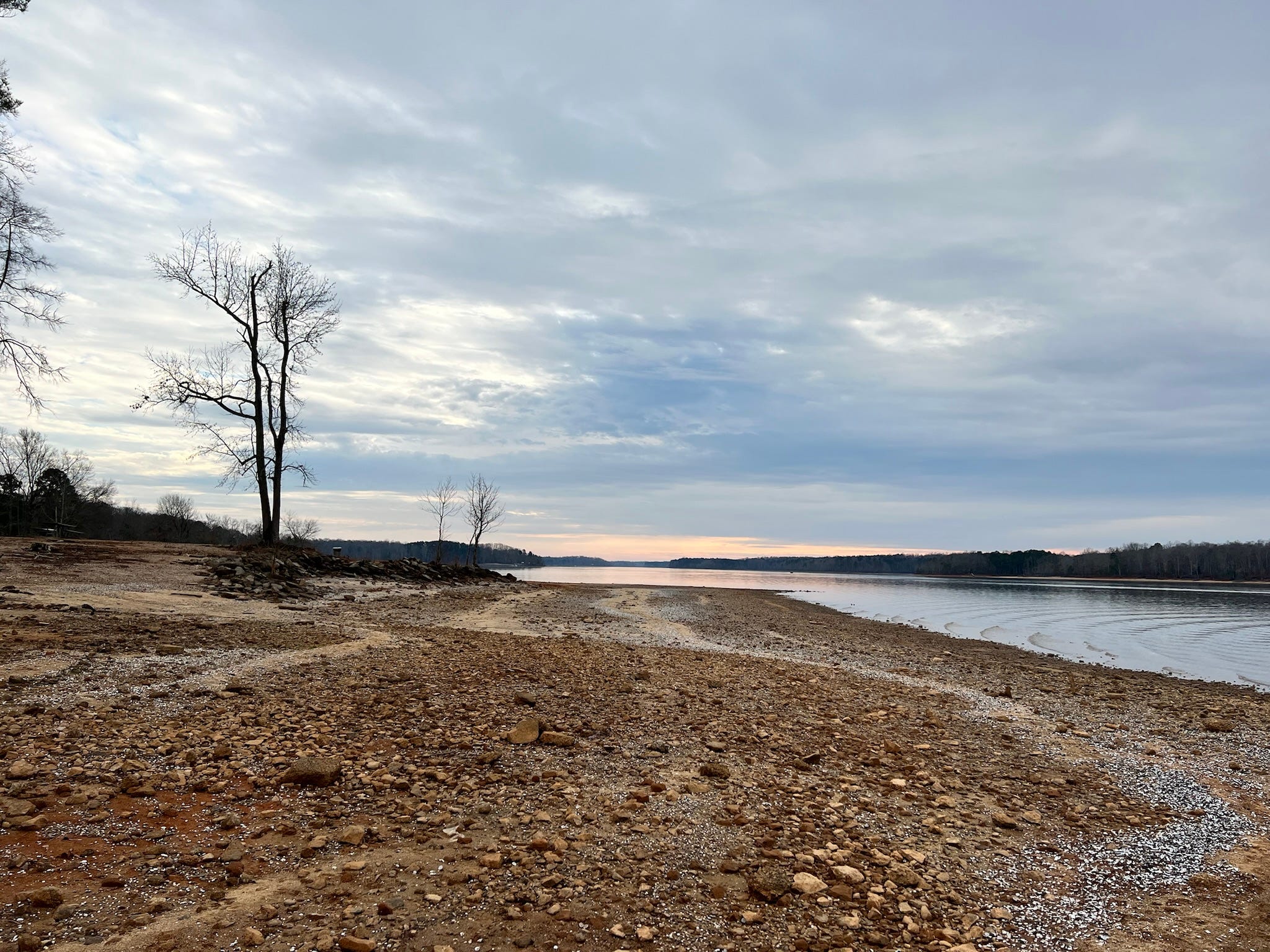
When Raleigh can quietly turn one county’s need into another county’s loss of power, every rural community in North Carolina should hear the warning. Today it is Kerr Lake, tomorrow it is some other poor working-class place being told the decision has already been made by suits in Raleigh.
Sunday Verses: Without Consent or Approval
I. The Vehicle
The bill began with a town line loosening.
A town line can look harmless from Raleigh.
From Raleigh, even a ditch can disappear.
Disappear, then return with a mouth for water.
Water was not in it yet, not openly.
Not openly, the paper learned to wait.
The paper waited in its clean jacket.
Its jacket had Four Oaks on the sleeve.
Four Oaks, small errand, small tract, small map.
A small map folds easily around hunger.
Hunger knows the committee calendar.
A committee calendar can make a hollow thing ripen.
In a clerk’s tray, somebody left the weather out.
Left the weather out, left the name on.
The name stayed where the road would darken.
The road darkened toward the lake.
Toward the lake, the bill grew ribs of pipe.
Inside those ribs, the first stamp spoke.
Text has changed.
Changed is a soft word for gutting.
Gutting has learned good manners in official rooms.
Official rooms know how to empty a body.
A body emptied gets called a vehicle.
A vehicle is never blank once power climbs in.
Once power climbs in, the ditch remembers the wheel.
The ditch remembers the wheel and calls it passage.
The bill began with a town line loosening.
II. The Lake
The lake was quiet before the paper came.
Before the paper came, men called it need, called it thirst, called it theirs.
Need walked soft, folder under its arm.
A folder can make thirst sound innocent.
Innocent, the water wore pine shadow.
Pine shadow broke green on the backs of minnows.
Minnows silvered the cove before language found them.
Language found them and did not say fish.
It said property.
Property said interest.
Interest said acquire.
Acquire looked down
and saw red clay on its shoes.
Red clay clouded where the boat ramp dropped.
Dropped, the sentence kept walking, boots muddy.
Walking, it crossed Vance without knocking.
Vance had morning in its courthouse glass.
Courthouse glass held the lake in pieces.
Pieces of lake, pieces of sky, pieces of county.
County is a word men thin when they want through.
Franklin entered the sentence as need.
Need entered the others as permission.
Warren became distance.
Halifax became room.
A county was thinned to valve and invoice.
Valve and invoice, the lake lost its face.
The lake loses its face when entered as supply.
Supply is what they call a body after naming its use.
A body, even after naming its use, still remembers.
Remembers silt, stump, hook, heron, storm.
Storm laid down in the water and listened.
Listened while Raleigh sharpened a phrase.
without consent or approval
Approval is a door.
Consent is the hand on the door.
The hand on the door was not asked to open.
The lake was quiet before the paper came.
III. Easy Ground
They thought they had found the easy road.
The easy road has always been somebody’s home.
Somebody’s home looks blank on a state map.
A state map loves what it has never buried.
Bury the barrels, bury the warnings, bury the bill, bury the cost.
Cost has a way of choosing Black dirt.
Black dirt remembers the tires at Afton.
Afton remembers the trucks before the speeches.
The trucks arrived wearing orders, dust on their fenders.
Orders came wearing the state’s washed face.
The state’s washed face said necessary.
Necessary is the word laid over poisoned soil.
Poisoned soil knows clean language.
Clean language knows how to arrive without shame.
They called it a landfill.
A landfill can be a grave with paperwork.
Paperwork can hold a whole county down.
A county can stand up in the road.
Stand up in the road, and history changes its mouth.
History changes its mouth when ordinary people refuse removal.
Refuse removal, and the road fills with bodies.
The state keeps looking for the least resistance.
Resistance is what Warren taught the road.
Warren taught the road to answer back.
They mistook Warren for easy ground.
Easy ground is a lie told by men in a hurry.
They thought they had found the easy road.
IV. The Room
The room filled after the paper showed its teeth.
Its teeth were small, black, legislative print.
Print can bite deeper than a shouted threat.
A threat can sit politely on a calendar.
A calendar can make harm look scheduled.
Scheduled harm still carries smoke.
Smoke entered Vance before the vote was ash.
Ash is what remains after warning catches.
Warning catches when a county hears itself named.
Named, not asked.
Asked is a human word.
The bill had other habits.
“The more noise that we can make the better.”
Better the room alive with noise
than the corridor already surveyed.
“Fundamentally wrong.”
Wrong sat there plain as a work boot.
A work boot knows when the floor is giving.
“Unethical.”
“To me, it’s like robbery.”
Robbery does not always kick the door.
Sometimes it signs in blue ink.
Blue ink dries fast under fluorescent light.
Fluorescent light made every face tired, every eye raw.
Tired is not beaten.
Beaten is what they hoped the map would find.
The map found a room refusing erasure.
The room filled after the paper showed its teeth.
V. The Chair
He said the vehicle was blank when it left him.
Left him is a phrase that tries to wash its hands.
Hands have a bad habit of staying in records.
Records outlive the men who call them process.
Process came carrying a chair.
The record said Chair.
Chair is not weather.
Weather happens to everybody.
Chair is where somebody sits.
Somebody sat close enough to sign.
Sign is a small word with a long shadow.
A long shadow crossed the page on April 21.
April 21 had no mud on its shoes.
No mud on its shoes, still it reached the lake.
The lake reached back only by darkening.
Darkening, the record opened its mouth.
Conferees for the Senate: Benton G. Sawrey, Chair.
Chair.
Date conferees approved report: April 21, 2026.
Approved is a clean word.
Clean words enter the file without a bruise.
The file did not stay shut.
The next day came carrying numbers, cold as a ledger.
April 22.
Numbers lined up where voices had been rising, where names had tried to hold.
Voices had been rising from Vance, Warren, Halifax.
Halifax, Warren, Vance, three names in the throat.
The throat tightened when the roll was called.
28–21.
Twenty-eight carried the clause.
Twenty-one could not stop the wheels.
The wheels turned.
The chair remained.
Yes.
Yes is a hand that cannot leave the room.
The room stays wherever the record opens.
The record opens, and the lake is there again.
There again, not scenery.
Not scenery, not resource, not blankness.
Blankness was the lie nailed to the vehicle.
The vehicle was never blank once power climbed in.
Power climbed in and called the water need.
Need called the county line an obstacle.
The obstacle kept its old name.
Taking is what the paper learned to do softly.
Softly, he said the vehicle was blank when it left him.